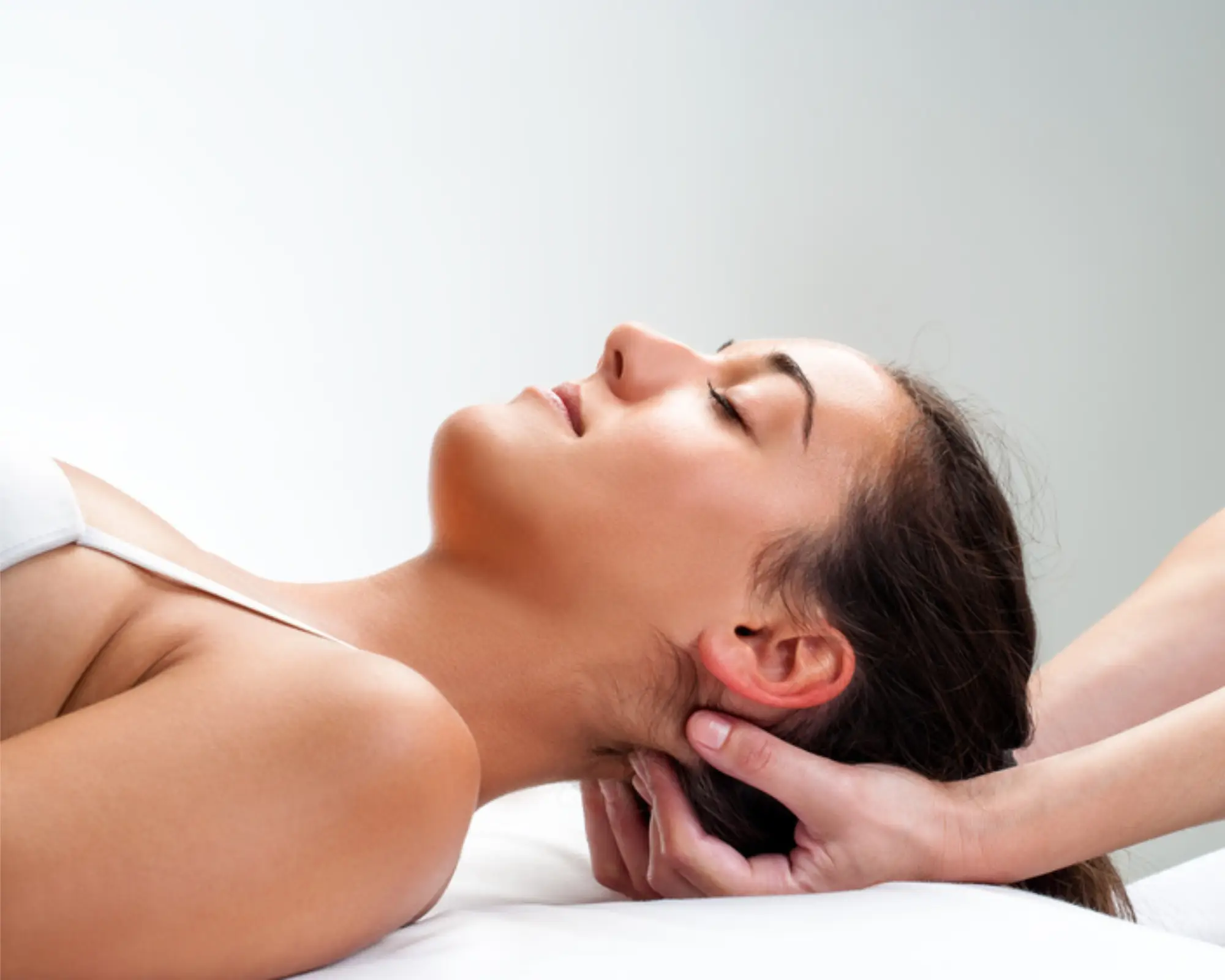
Craniosacral Therapy (CST) is a gentle, non-invasive, hands-on manual therapy that focuses on the subtle rhythmic pulses of the craniosacral system — the membranes and cerebrospinal fluid surrounding the brain and spinal cord. Rooted in osteopathic principles, CST emphasizes the connection between the nervous system, fascia, and overall body function.
Principles and Technique
During a CST session, the therapist uses light, precise touch to assess and support the natural rhythm of the craniosacral system. This gentle work can release fascial restrictions, improve fluid circulation, and positively influence the nervous system. Sessions often incorporate subtle adjustments of the spine and joints, as well as guided awareness, to support the body’s self-regulatory processes.
Therapeutic Benefits
CST is effective in supporting both physical and emotional well-being:
- Support for the nervous system – helps regulate autonomic function and restores balance after chronic stress.
- Reduction of stress and tension – gentle rhythmic work promotes deep relaxation and alleviates physical and mental strain.
- Emotional release – allows the body to process stored emotional tension, contributing to improved mental and emotional clarity.
- Psychosomatic support – can be applied in cases where stress, trauma, or long-term tension contribute to physical symptoms and somatic dysfunctions.
- Enhanced mobility and posture – subtle adjustments improve structural balance and overall movement quality.
Summary
Craniosacral Therapy is a gentle, integrative approach that works deeply yet softly, supporting the nervous system, reducing stress, releasing emotional tension, and improving overall functional balance. It is a versatile therapy suitable for those seeking relief from stress, emotional blocks, postural issues, or psychosomatic disturbances, promoting long-term physical and mental well-being.