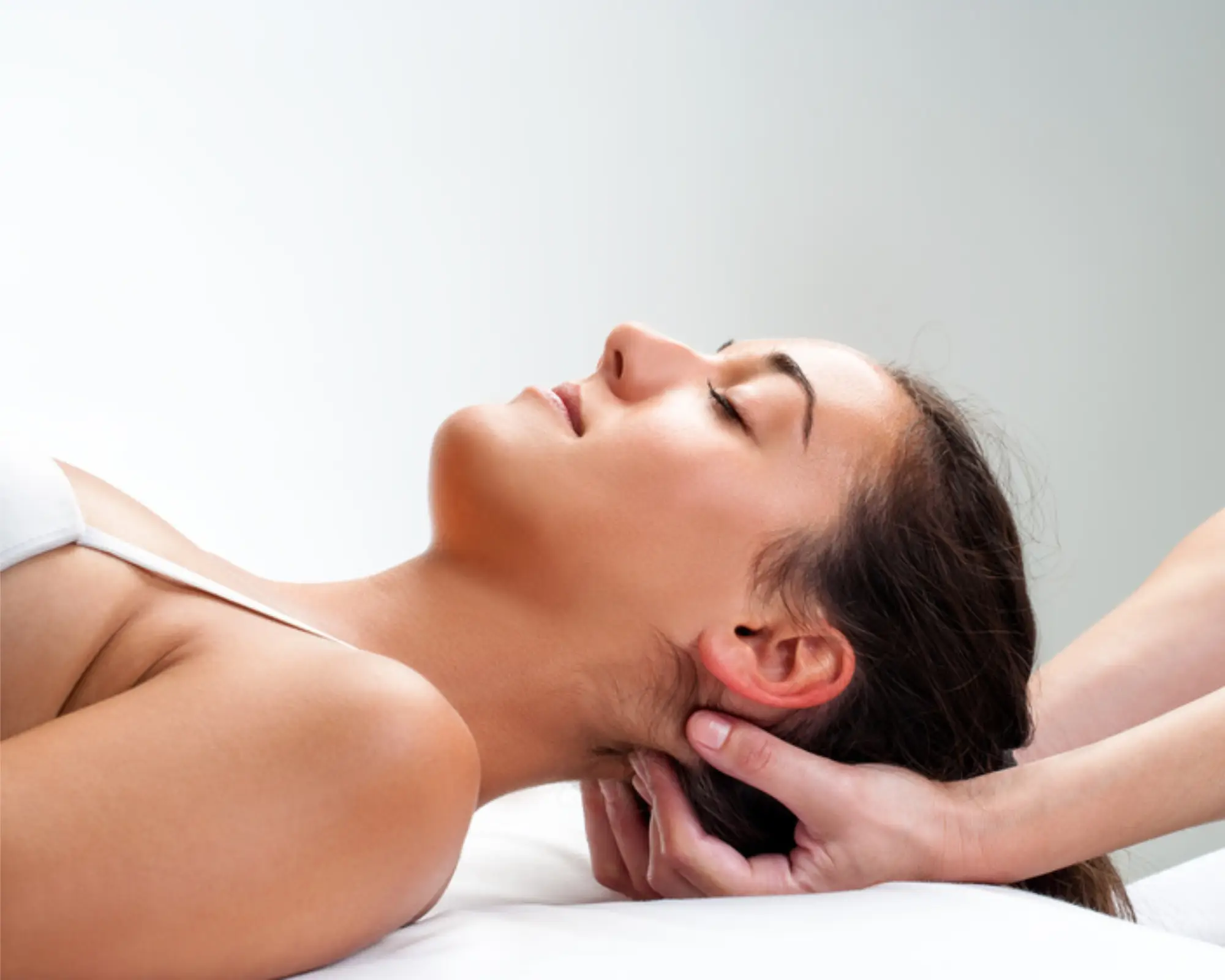

A psychosomatic session is a body–mind method that combines elements of psychology, nervous system regulation, and hands-on bodywork. The starting point is always what is tangible in the body: myofascial tension, breathing restrictions, overactivation, pain, discomfort, “freeze” responses, difficulty relaxing, or low energy. In parallel, we work with emotions, the meaning of experiences, and stress patterns that may be maintaining these symptoms.
This is not talk in abstraction. It is structured, professional work in contact, where the body, sensations, and nervous system responses are the primary guide.
Who is it for?
This session is for people who:
- experience somatic symptoms that intensify under stress (e.g., jaw and neck tension, headaches, tight abdomen, shallow breathing, palpitations, insomnia, fatigue, overload in the body),
- live in chronic stress and feel persistent activation, or the opposite — low energy, numbness, or disconnection,
- want to learn self-regulation (breathing, grounding, restoring a sense of safety in the body),
- are already in therapy and want a body-based complement, especially with trauma, defensive tension patterns, and psychosomatic symptoms,
- feel that the body “holds” emotions and tension and that standard relaxation methods are not enough.
Structure and methods
Each session is individualized, but typically includes:
- intake and goal setting: what you need now, what you want to relieve or shift,
- mapping the body: where tension shows up, what triggers it, what reduces it,
- nervous system regulation tools: breathwork, orienting, grounding, boundary work, elements of somatic relaxation,
- emotion-focused work anchored in sensations: recognizing and naming emotions in the body, tracking protective responses, integration at a safe pace,
- when appropriate: elements of regression-based techniques (e.g., carefully revisiting earlier states/experiences) and other methods chosen to match the goal and your readiness,
- optionally: gentle hands-on soft-tissue work if it supports regulation and a sense of safety,
- between-session guidance: simple, doable regulation practices for daily life.
The pace is always adapted to your nervous system — without forcing. The priorities are stabilization, safety, and real change in how the body feels.
Possible outcomes
A psychosomatic session can support:
- reduced tension and overload in the body,
- better sleep, breathing, and recovery,
- clearer understanding of stress responses (fight/flight/freeze) and faster return to balance,
- fewer stress-related somatic symptoms,
- increased emotional stability and a stronger sense of agency,
- deeper integration of therapeutic work by including the body in the process.
Important note: what it is not
A psychosomatic session does not replace psychotherapy or medical treatment. It can, however, be a valuable complement, especially in trauma work, chronic stress, and somatic symptoms where the body plays a central role. If you have acute medical symptoms, severe pain, neurological signs, or a significant mental health crisis, medical and/or psychiatric support should be the priority.
Summary
A psychosomatic session is professional, integrative body–mind work in active contact: centered on the body and sensations while also addressing emotions, stress patterns, and nervous system regulation. It is particularly supportive for somatic symptoms and chronic overload, and can complement psychotherapy — especially in trauma-related processes.