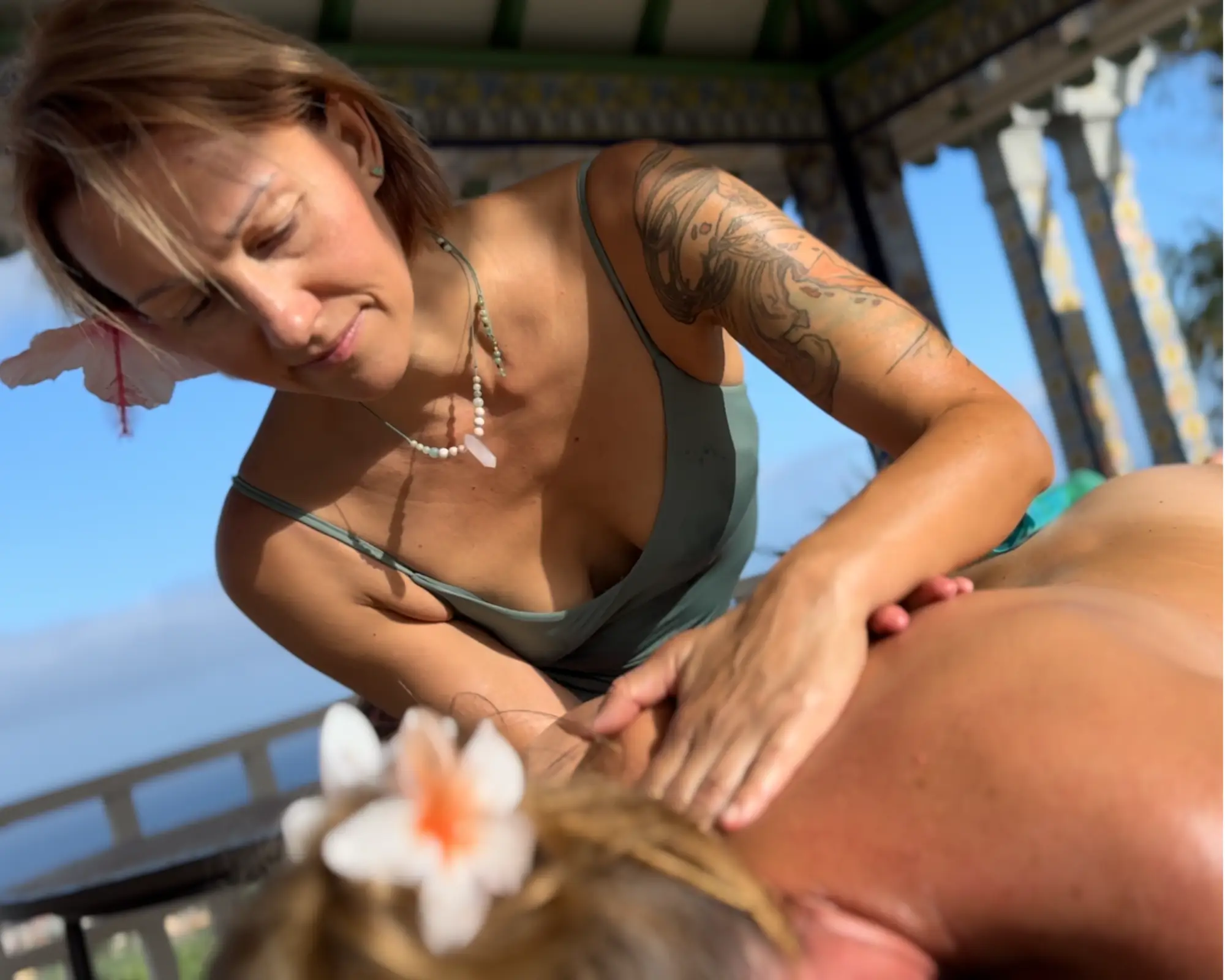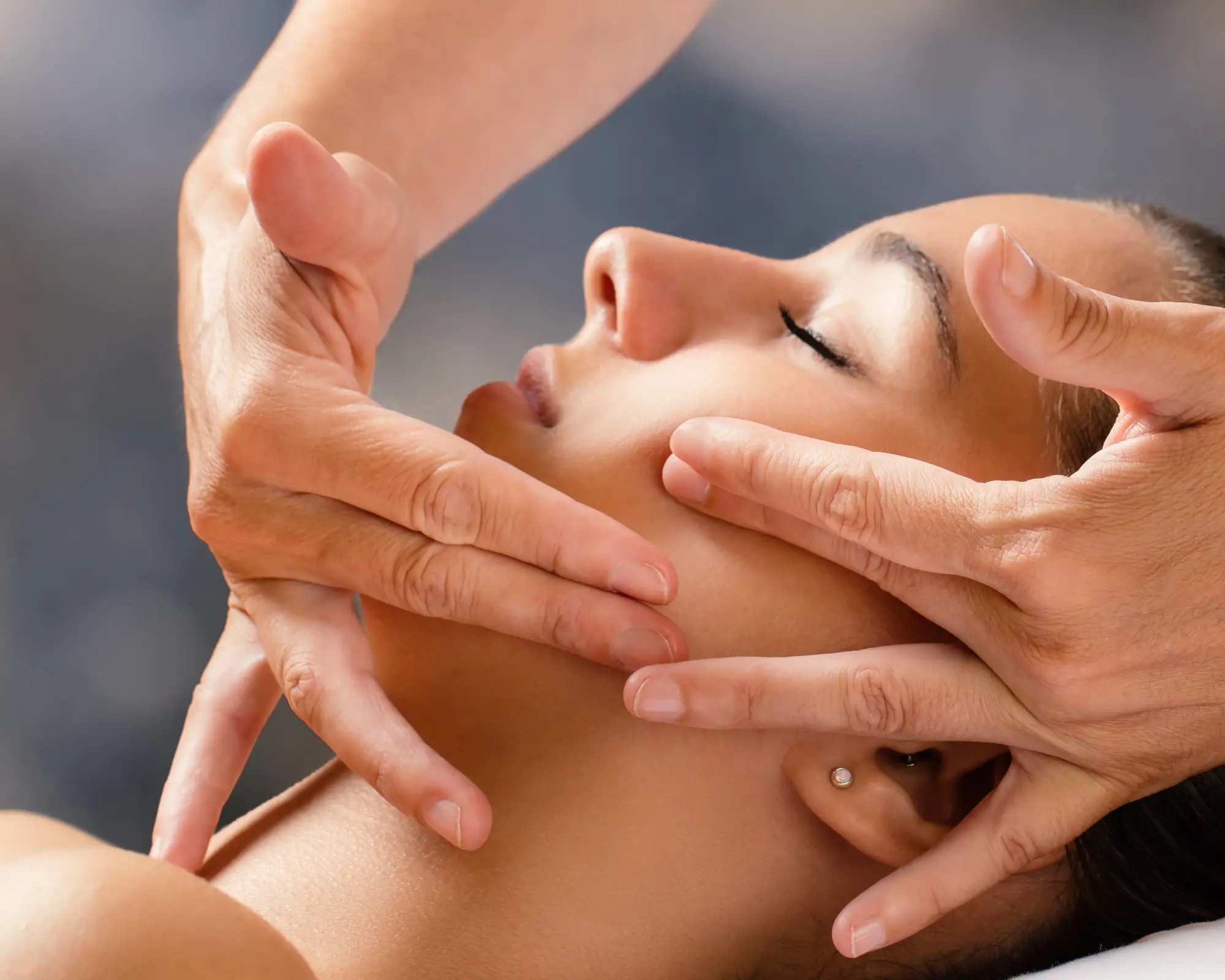
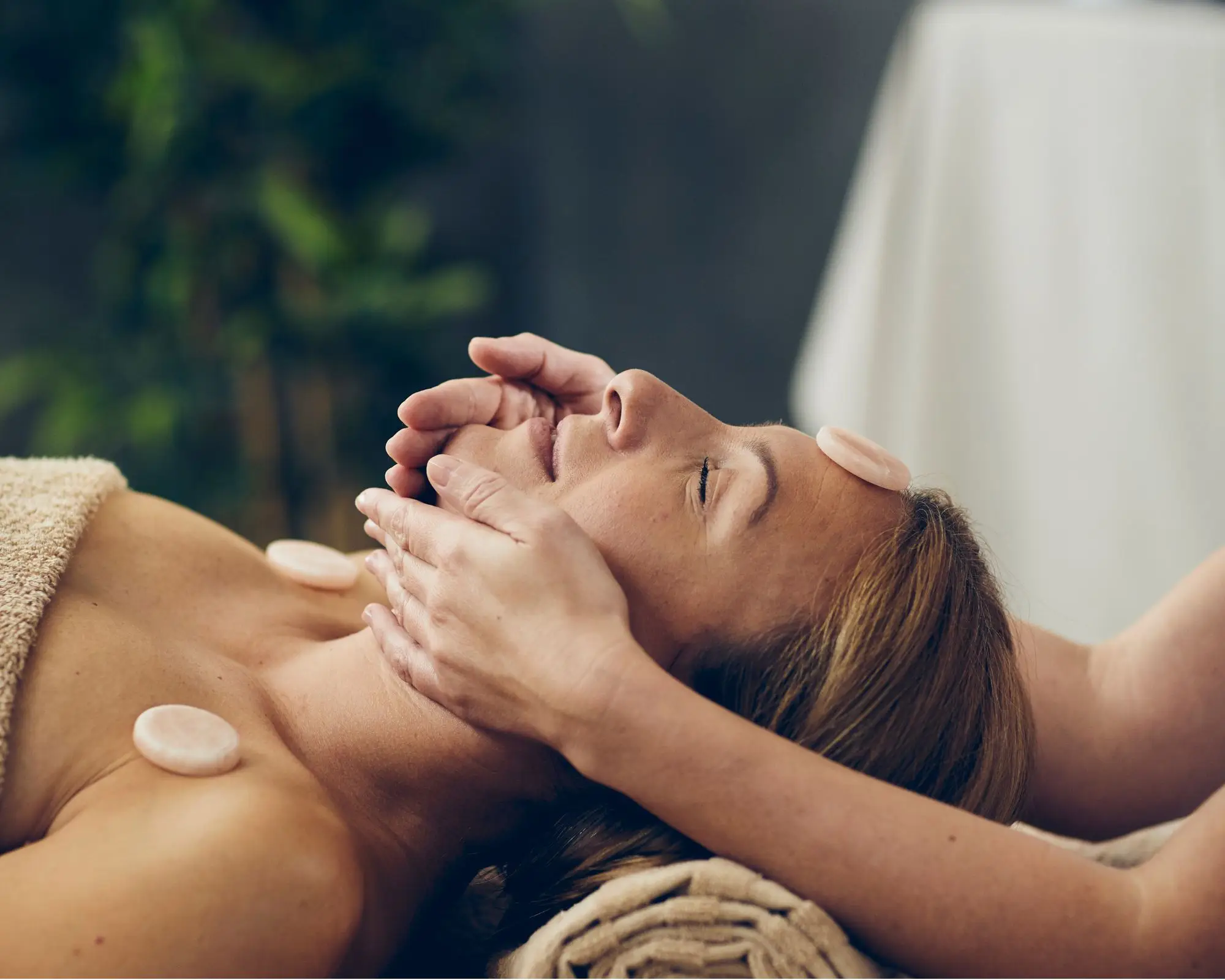
Head massage is a manual therapy focused on areas that strongly react to stress: the scalp, temples and forehead, jaw muscles, neck, and shoulder girdle. Tension in these structures often contributes to headaches, a heavy feeling in the head, poor concentration, eye fatigue, and sleep disturbances. The aim of the session is to release tissues, improve circulation, and support nervous system regulation.
Principles and technique
During the session, I work with the scalp and superficial tissues and, when needed, with deeper structures such as the neck, upper back, jaw area, and temples. Techniques are precise and adapted to your sensitivity — from very gentle, soothing touch to more targeted work on tension points. The session may include myofascial release, soft-tissue techniques for the jaw, and simple breath support to help the body shift into a restorative state.
Therapeutic benefits
Head massage supports both physical comfort and wellbeing:
- Reduced headaches and tension – especially for stress-related tension headaches and screen-work overload.
- Release of neck, shoulders, and jaw – helpful with clenching, bruxism, and neck stiffness.
- Nervous system calming – less overstimulation and easier “letting go.”
- Better sleep and recovery – the body transitions more easily from stress into rest.
- Improved circulation in the head area – a sense of lightness, freshness, and scalp release.
- Better focus and clarity – reduced tension often improves mental comfort.
Summary
Head massage is a targeted treatment for stress and tension: it releases the scalp, temples, neck, and shoulder area, supports relief from tension headaches, and promotes a deep nervous system reset. If you feel mentally overloaded, carry tension in your neck, clench your jaw, or sleep poorly, this session can bring fast, noticeable relief.